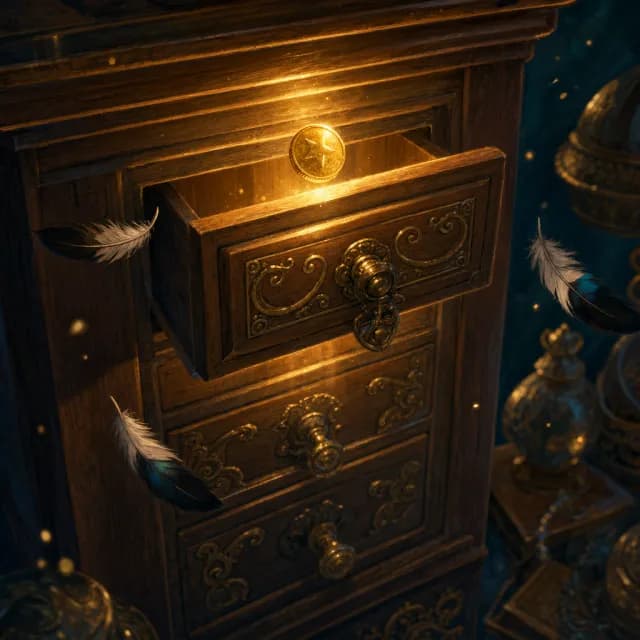
The First Drawer
When Pip earns ten coins, the very first one flies in here — before he so much as smells a snack.
In a small shop that is never twice the same size stands one impossible piece of furniture: the Cabinet of Coins. Auntie Juniper keeps it, Pip the magpie raids it, and every drawer holds a tale your kids will ask for by name.
Each fable takes a minute or two at bedtime — narrated, with captions, in ten languages — and each one plants a money habit that sticks.
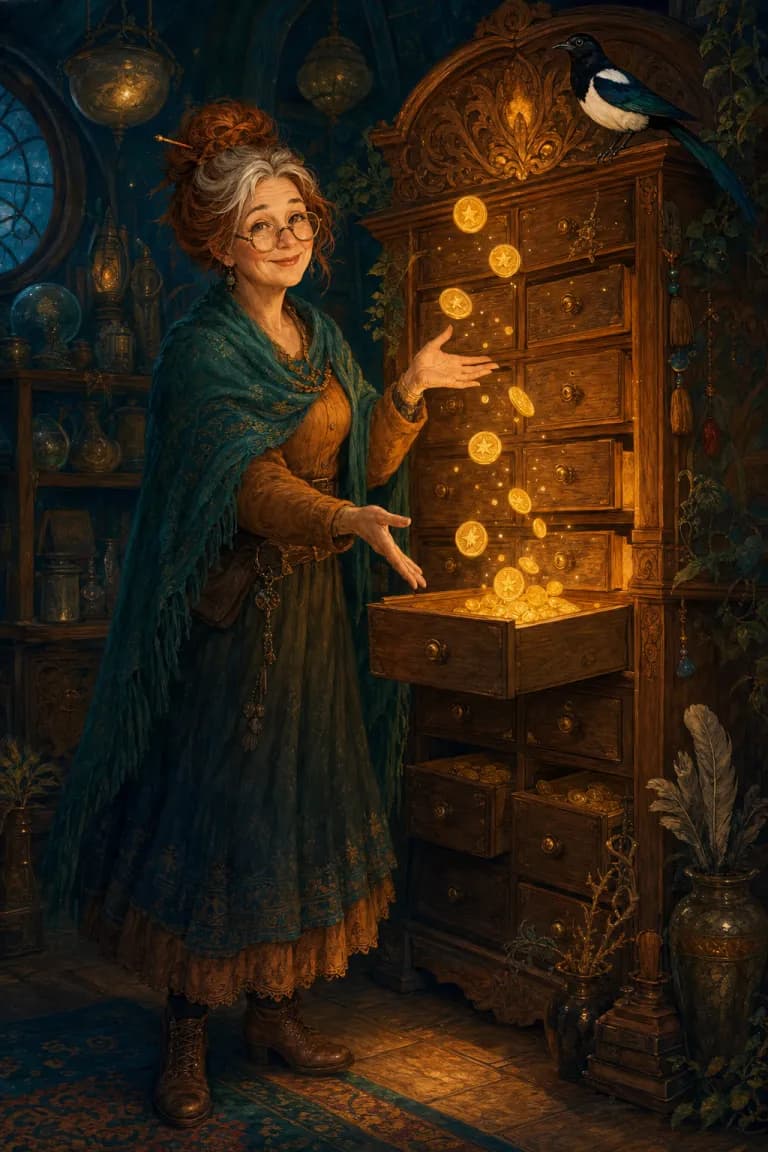
Pay yourself first, guard against whispers, plant what you understand, give with an open hand — every timeless money habit, told as a story instead of a lecture.
When Pip earns ten coins, the very first one flies in here — before he so much as smells a snack.
Everything you can buy is secretly one of two creatures. Pip learns to tell them apart.
Coins don't need sleep. Tucked into the Growing Drawer, one works all night long.
Pip starts as a helper at Marla's berry stand — and notices who really goes home with more.
Anything that arrives whispering goes behind the brass lock — and waits for daylight.
The plain drawer near the floor is the grandest one in the cabinet: it's for the day the roof leaks.
In this drawer, coins are seeds — but never plant one in a venture you can't explain to Pip.
The one drawer with no lock at all — and the one that makes all the others worth having.
“Someday” is the one day that never comes. A wish needs a thing, a count, and a day.
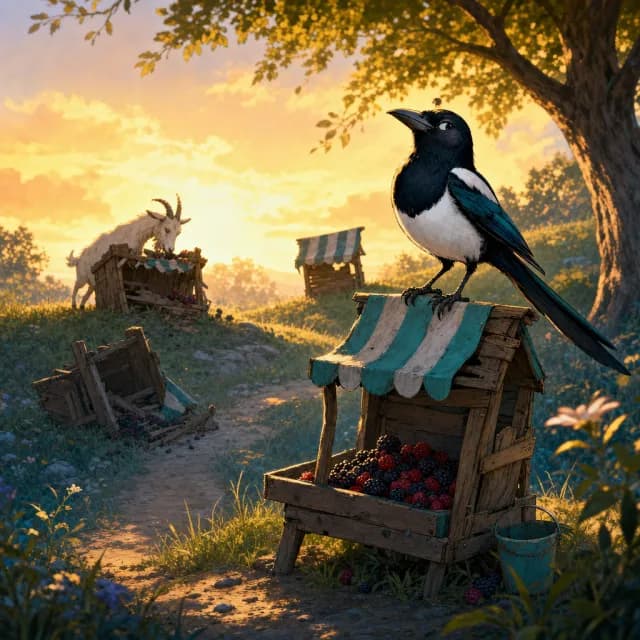
Pip's first stand fell over. A goat ate the second. The fourth one sings.
Nobody fills a cabinet alone. Meet the friends who tell Pip the truth.
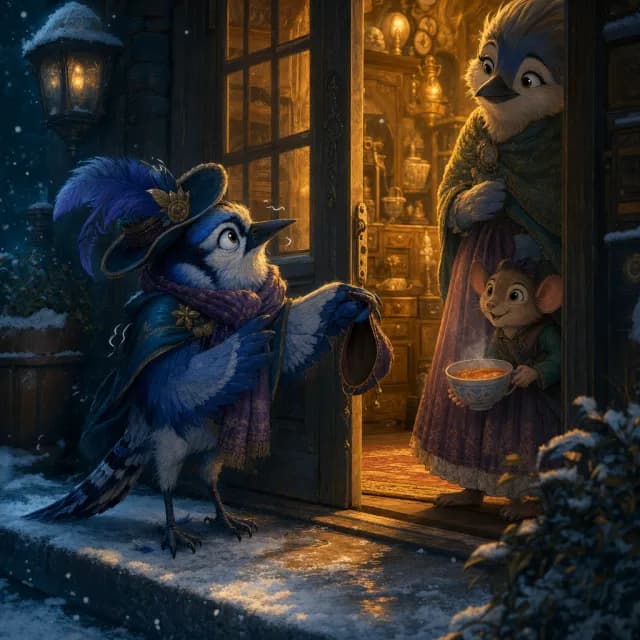
Pip's cousin Jix spends every coin the hour he earns it. Then comes winter.

A trader offers Marla ten whole coins — not for her berries, for the bush itself.
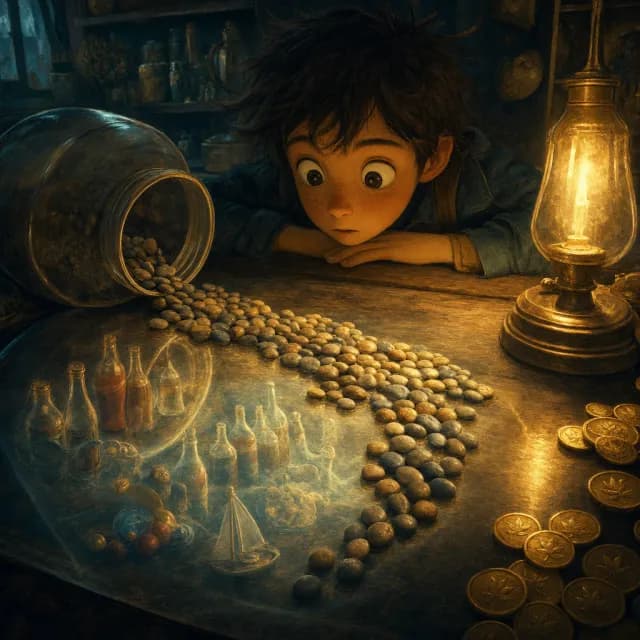
“Beware of little expenses — a small leak will sink a great ship.” Pip doesn't believe it.
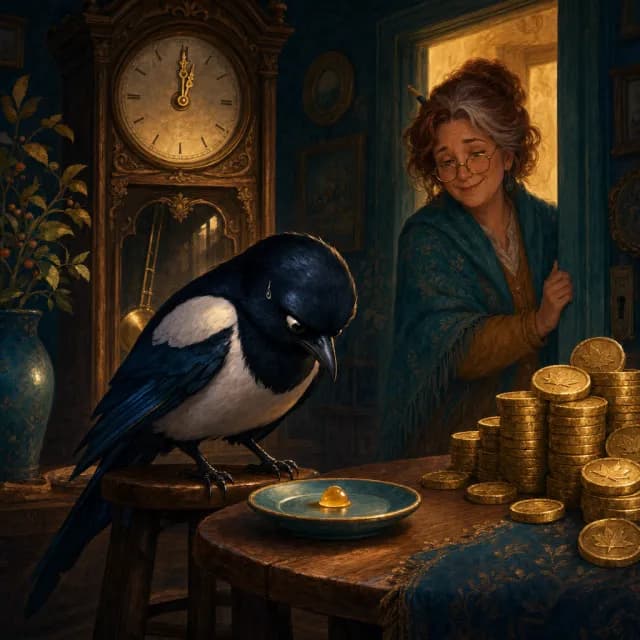
One honey drop now — or two if you can wait. It's harder than it sounds.
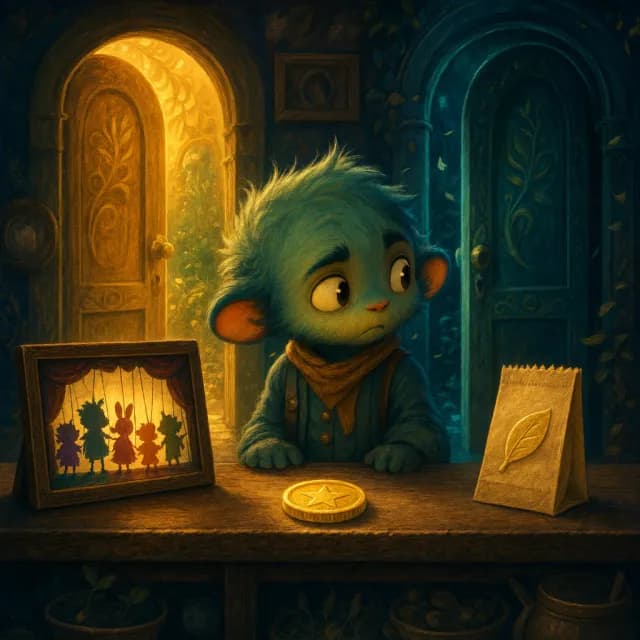
One coin, two wants: the puppet show tonight, or the seed packet that becomes a garden.
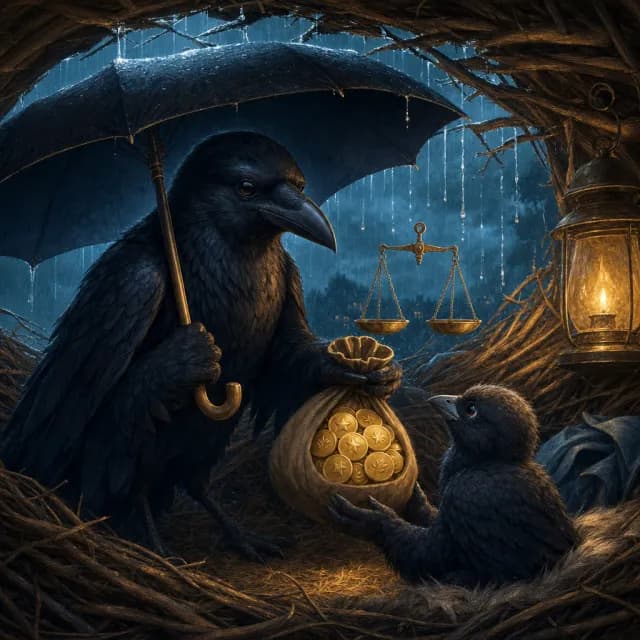
Everyone gets Corvus wrong. He isn't wicked. He's exact — and he charges for rain.
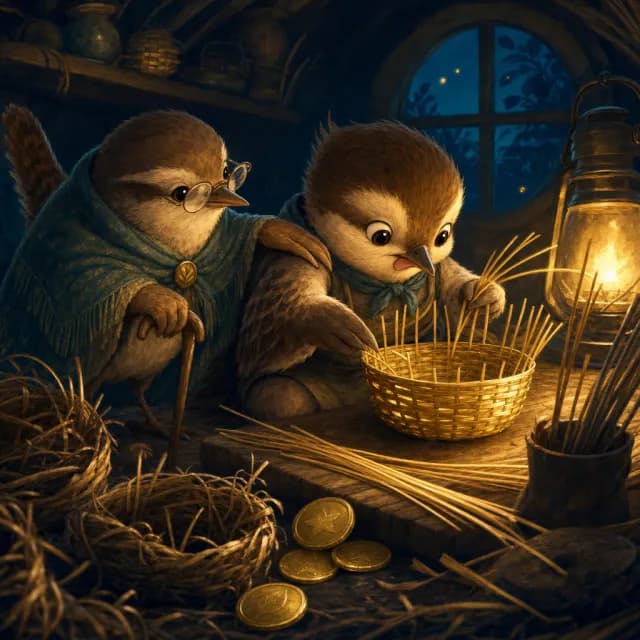
The finest Feeder in the whole shop is waiting in the mirror: the one who earns can learn to earn more.
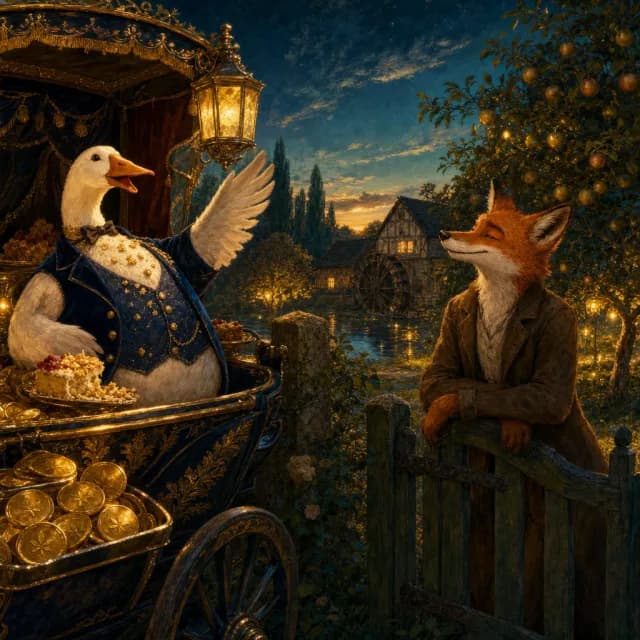
Two neighbors — guess which one is rich. It isn't the goose in the velvet waistcoat.
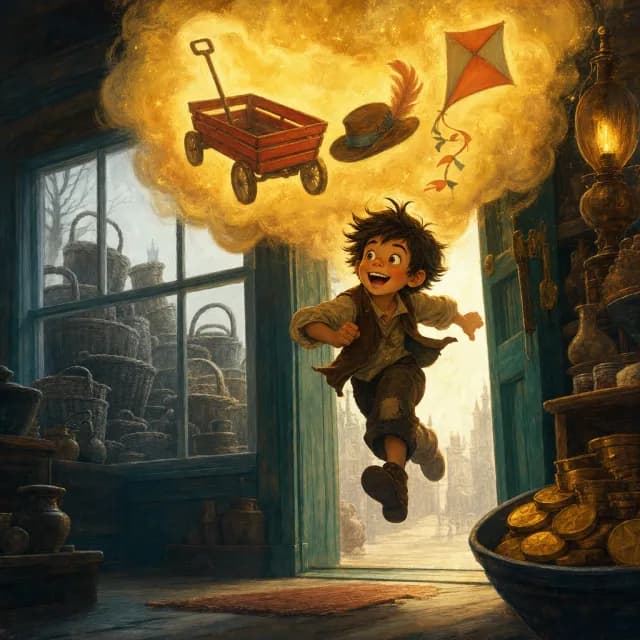
Pip bursts in one morning already rich — from coins he hasn't earned yet. Count them when they land.

In Fen's old ledger a honey drop cost half a coin. Today it's two. Same honey. Why?
When your kid outgrows fables, Fen is waiting — a retired ship's purser with a brass abacus and no patience for nonsense. Twelve episodes walk teens from their first paycheck to their first planting, in a register that respects their age.
“A budget isn't a cage. It's a map of where your coins already go — most birds just refuse to look at the map.”

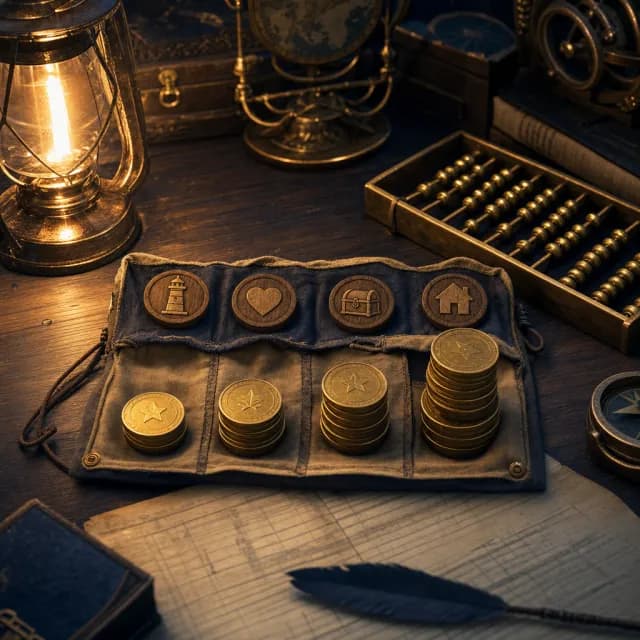
Your first pay slip is a magic trick — and the magic is subtraction.

In every port there's a book with your name in it — and you write in it whether you know it or not.
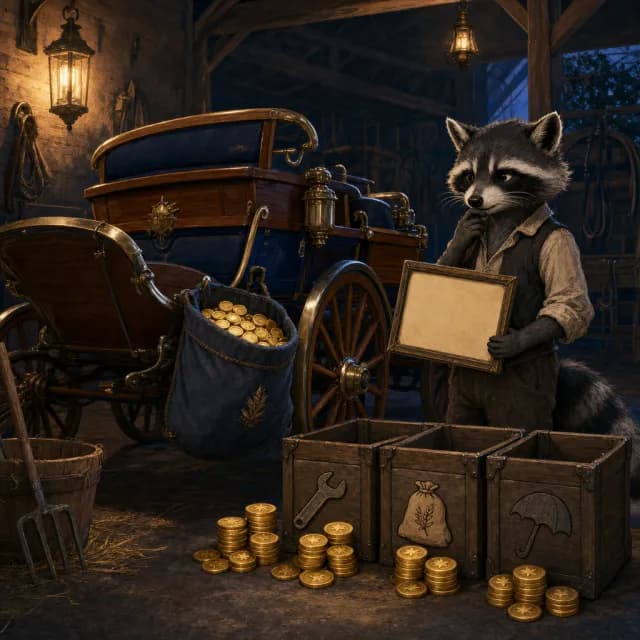
Price the animal, not the saddle: what the cart really costs after you buy it.
Drips don't stay lonely. Hunt the leaks in your pouch, candle in hand.

Interest is a snowball — and the mountain doesn't care which direction you roll it.
Storms don't book appointments. Every ship carries more biscuit than the voyage needs.
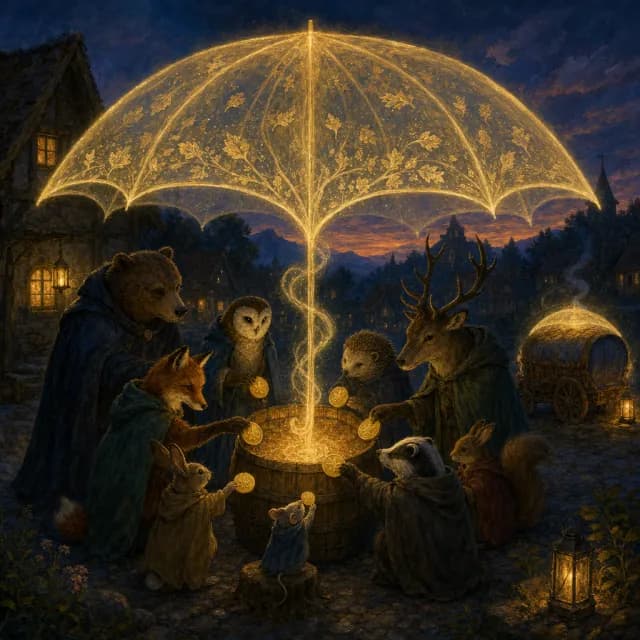
Insurance isn't a thing you buy. It's a pool you join.

Storm stack filled, spare coins itching — the Garden Drawer, teen rules.
The Weasel's grown up too. Now he slides into your messages.
Sparrow's law: asking is free; not asking costs.
Wages are rungs on somebody else's ladder. Build one small rung of your own.
The biggest purchase of your young life is your training. Grand voyages are worth it — mostly.
Fables lead into activities, activities into habits. One family plan, up to 6 kids, ten languages.
One email from us at launch. Nothing else.